Mulch and Water Wisely Through the Late-Summer Heat
Central Texas gardens lose moisture quickly during late-summer heat. Mulch and careful watering work together to protect roots, reduce evaporation, and keep soil conditions more stable.
Use an even mulch layer
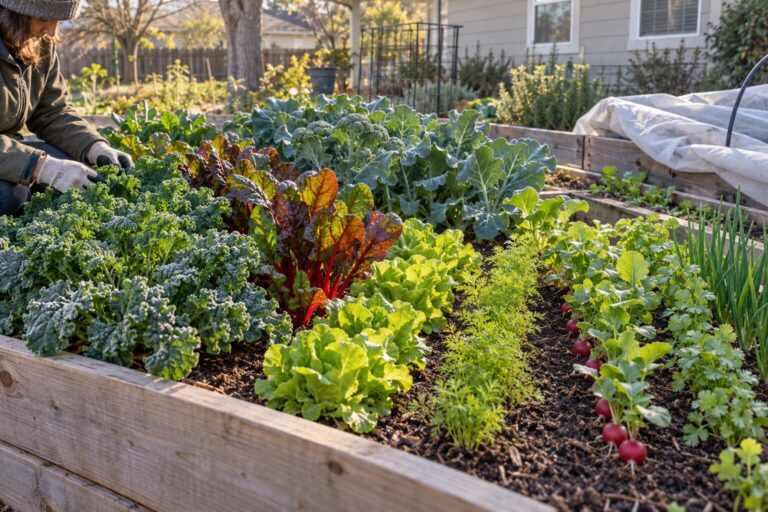
Apply roughly two to three inches of clean straw, shredded leaves, or untreated wood mulch around established plants. Keep mulch a few inches away from stems and trunks so moisture does not collect against plant tissue.
Water the root zone
Drip irrigation or a soaker hose delivers water where plants need it and reduces loss to wind. Water early in the day when possible. Check the soil below the surface before watering again; the top can look dry while the root zone still holds moisture.
Watch plants and adjust
Temporary afternoon wilting does not always mean the soil is dry. Check moisture with a finger or small trowel. Containers, new transplants, and shallow-rooted crops need more frequent attention than established plants in mulched beds.
Inspect irrigation lines for clogged emitters and leaks. A short weekly check prevents stressed plants and wasted water.